 Fuyang Kejin Decoration Materials Co., Ltd

In a car wash facility, walls and ceilings are exposed to water splashes, cleaning activities and daily wear almost every day. When workers use high-pressure washing equipment to clean vehicles, water can easily reach surrounding walls, corners and sometimes ceiling areas. If the wall surfaces are not properly protected or the finishing materials are not suitable for this environment, repeated exposure to water, cleaning and daily use may gradually affect the condition of the surfaces. For a car wash business that operates throughout the year, choosing a reliable Car Wash Plastic Wall Panel Supplier is one factor worth considering before construction is completed.
Many car wash owners initially focus on equipment, drainage, flooring and the overall layout of their facility. However, the condition of the walls is also closely related to daily cleaning and maintenance. Painted surfaces may need repainting over time, some wall finishes may become difficult to clean, and dirt can accumulate in areas that are frequently exposed to splashes. When repairs or repainting are needed, the work may require additional preparation and could interfere with the normal operation of the facility. This is why wall finishing materials deserve attention before construction is completed, rather than being treated as a final decorative decision.
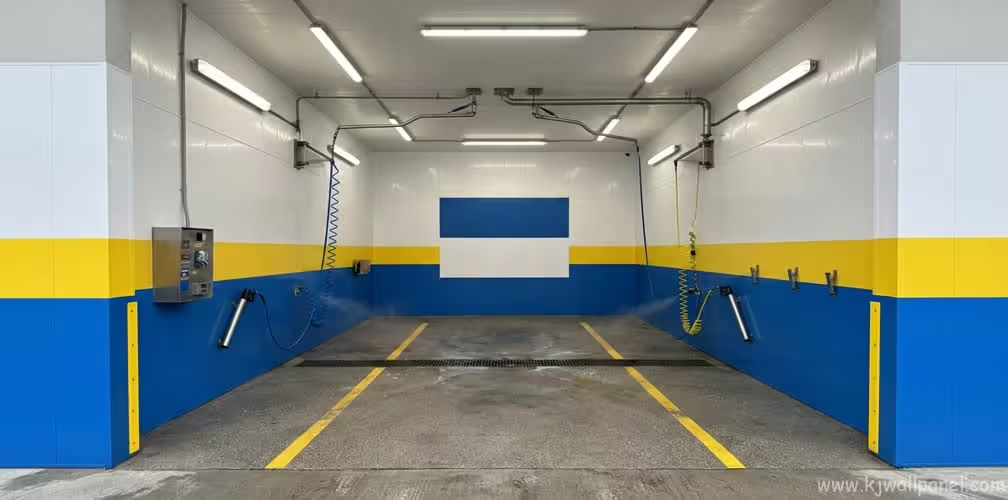
As a PVC wall panel manufacturer, we believe choosing wall materials for a car wash facility should involve more than comparing colors and prices. The way the facility is used, the areas exposed to water, the wall structure and the installation details all influence which materials are worth considering. For contractors, investors and commercial project buyers, understanding these factors can help make a more practical decision when planning a new washing facility.
What Should Be Considered When Choosing Wall Finishes for a Car Wash?
A car wash is different from an ordinary commercial building. The working environment involves vehicle cleaning, water splashes, dirt, detergents and frequent cleaning of surrounding surfaces. Some areas may be exposed to water more often than others, especially around washing bays and equipment.
Traditional painted walls may look fine when a facility is first completed, but their appearance can gradually change with daily use. Marks from equipment, accumulated dirt and surface wear can make certain areas look less clean. Depending on the original wall construction and finishing materials, repairs may also require additional work.
For facility owners, the cost of wall finishing is not simply the initial installation cost. The condition of the surfaces over time, the effort involved in cleaning and the inconvenience of repairs are also worth considering when selecting materials.
Why PVC Wall Panels Are Worth Considering
PVC wall panels are used in various commercial and interior applications because their finished surfaces are relatively easy to wipe and maintain. In a car wash facility, where cleaning is part of everyday operation, this can be a practical consideration.
Compared with some traditional wall finishes, PVC panels provide a finished surface that does not require routine repainting as part of ordinary cleaning. Dirt and common surface marks can often be removed with appropriate cleaning methods, helping the walls maintain a more orderly appearance.
However, the suitability of PVC wall panels depends on the actual working environment, installation quality and the cleaning products being used. Not every panel is designed for every application. Before purchasing, project buyers should confirm the panel specifications and its suitability for the intended installation rather than assuming all PVC panels perform the same way.
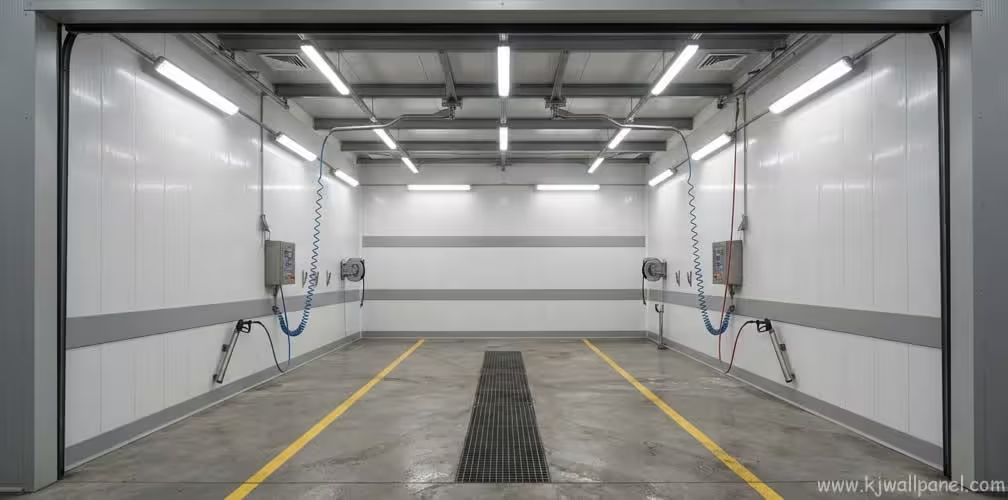
Planning Wall Panel Installation Before Construction
Wall panels are easier to install when the wall layout and installation details have been considered during the construction or renovation stage. In a car wash facility, washing equipment, water pipes, electrical connections and other installations may affect the wall layout.
If these details are only considered after the wall panels have been installed, additional cutting or adjustments may be required. This can make the installation less straightforward and may affect the finished appearance.
For new facilities, contractors can plan the wall panel installation alongside the placement of washing equipment and other building components. For renovation projects, it is also important to check the existing wall surface and structure before deciding how the panels will be installed.
PVC wall panels should not be regarded as a replacement for proper waterproofing, drainage or building construction. Areas exposed to water require appropriate construction details, and the installation around corners, openings and connections should be properly planned.
Details Around Washing Equipment and Wall Connections
In a car wash facility, the wall areas around washing equipment, pipes, corners and openings often require more attention during installation. These areas may involve cutting panels to fit the surrounding structure, and the finished connections need to be considered as part of the overall installation.
For example, wall panels installed around water pipes or equipment connections may require suitable finishing details. Corners and panel joints should also be planned to achieve a consistent appearance and avoid unnecessary gaps.
The installation method will depend on the wall structure, panel design and project requirements. Contractors should review the actual installation conditions before work begins. Taking measurements and confirming the installation details in advance can help reduce unnecessary adjustments during construction.
For commercial projects, the quality of the finished installation is just as important as selecting the panel itself.
Need Professional Consultation?
Contact our factory direct team via WhatsApp for instant support and quotation.
Choosing the Right Panel Specifications for Your Project
Different car wash facilities may have different requirements for wall panel dimensions, thickness, appearance and installation methods. A small independent car wash may have a different layout from a large commercial washing center, so the quantity and specifications of panels will depend on the actual project.
Before placing an order, buyers should confirm the wall measurements, the required panel specifications, the estimated quantity and any special requirements for the installation. If the project involves multiple washing bays or a large wall area, confirming these details in advance can help make the purchasing process more straightforward.
Some car wash facilities prefer light-colored wall panels, while others choose colors that match their brand or the overall design of the building. When selecting wall panels for a commercial project, it is worth considering how they will look alongside the flooring, washing equipment and other interior elements. If you are planning a car wash facility and need help choosing suitable panel colors, sizes or specifications, feel free to contact Kejin PVC wall panel factory through WhatsApp. We can discuss your project requirements and help you find a suitable option for your installation.